Understanding Railroad Catastrophes
Train derailments occur when a train leaves its tracks, often because of poor maintenance, operator error, excessive speed, or defective equipment. These accidents can affect not only passengers and railroad workers but also entire communities located near the tracks. Explosions, fires, or toxic spills may follow a derailment, putting many lives at risk.
Grade crossing accidents, on the other hand, involve collisions between trains and vehicles or pedestrians at intersections where roads and tracks meet. These crashes are often fatal due to the sheer size and speed of trains, and they may occur because of malfunctioning warning signals, blocked visibility, or driver negligence.
The Impact on Victims and Families
Railroad accidents are among the most destructive events people can experience. Victims of derailments and crossing accidents may suffer:
- Traumatic brain injuries (TBI)
- Spinal cord injuries and paralysis
- Severe burns from fires or explosions
- Multiple fractures and crush injuries
- Emotional trauma and post-traumatic stress
Families who lose loved ones in these accidents may pursue wrongful death claims, seeking justice for their loss and financial recovery for funeral costs, loss of income, and emotional suffering.
Determining Who Is Responsible
One of the most complex aspects of train accident cases is determining liability. Multiple parties may share responsibility, including:
- Railroad companies that fail to maintain equipment or tracks
- Manufacturers of defective train parts or safety systems
- Engineers or operators whose negligence contributes to the accident
- Government entities responsible for grade crossing safety
- Drivers who ignore signals or attempt to beat an oncoming train
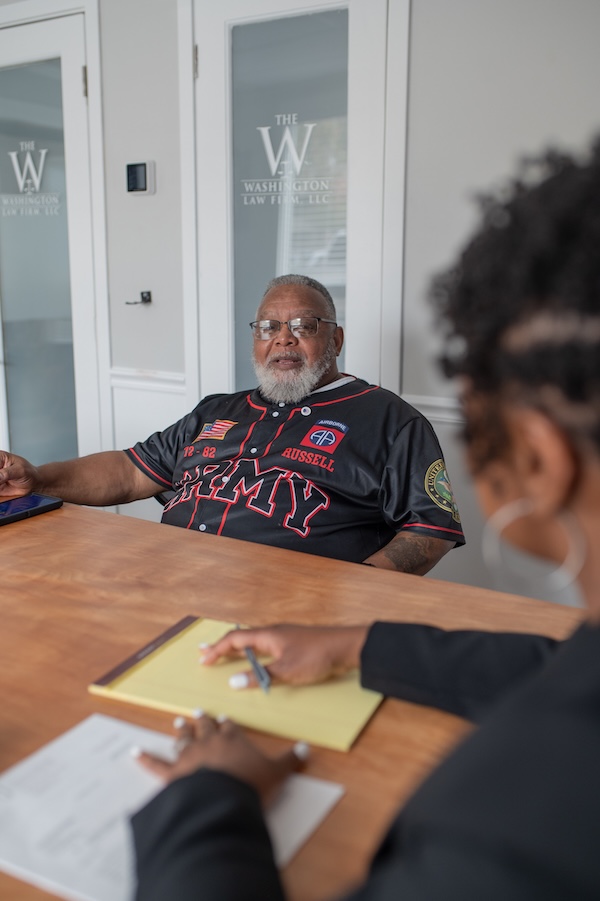
At The Washington Law Firm, LLC, we conduct thorough investigations to uncover the causes of these accidents and identify all responsible parties. This approach allows us to pursue the maximum compensation available under the law.